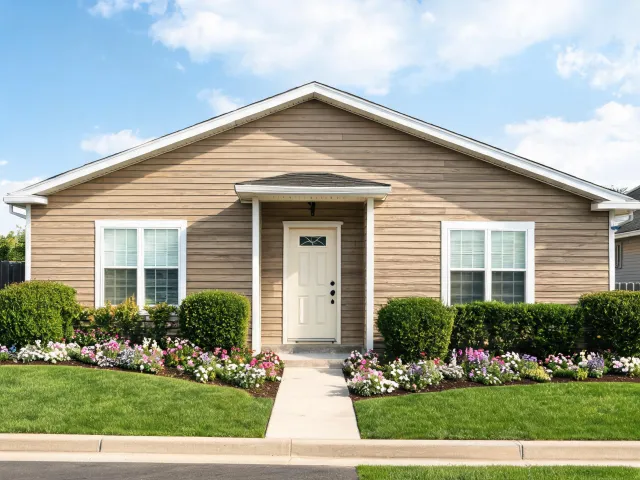
Custom Residential
Entry doors, cladding, and trim undertones aligned before dye lots freeze.
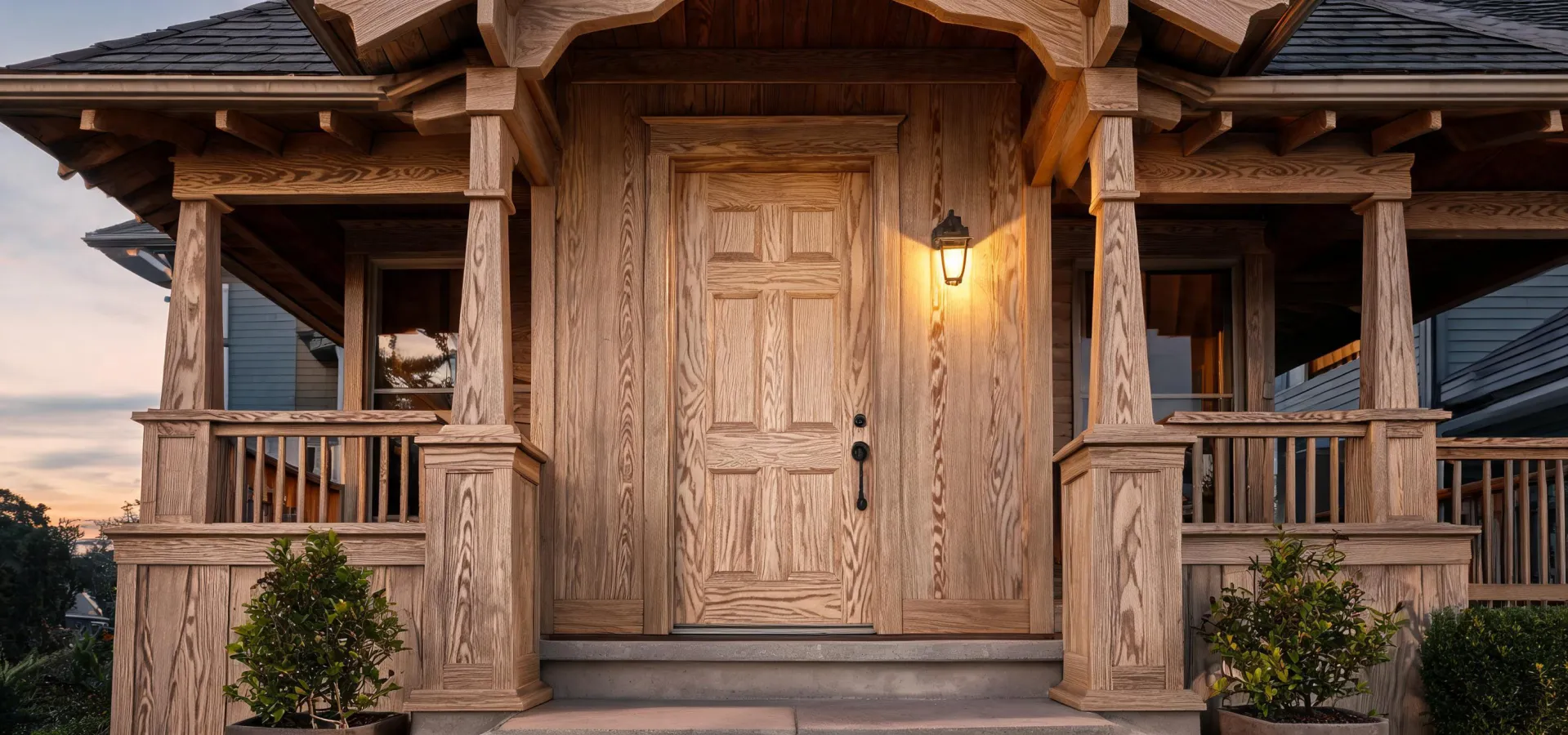
Precision-embossed woodgrain texture brings the warmth of white oak, cedar, and walnut looks to entry doors, interior doors, vinyl siding, and composite cladding—engineered for moisture, UV, and real-life wear.
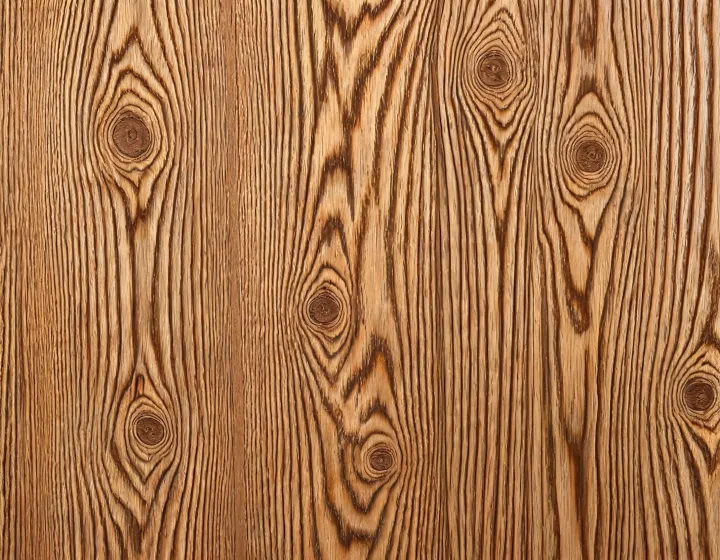
Where texture works
From custom homes to multifamily corridors, Woodgrain profiles keep species beauty without the maintenance of solid timber.
Entry doors, cladding, and trim undertones aligned before dye lots freeze.
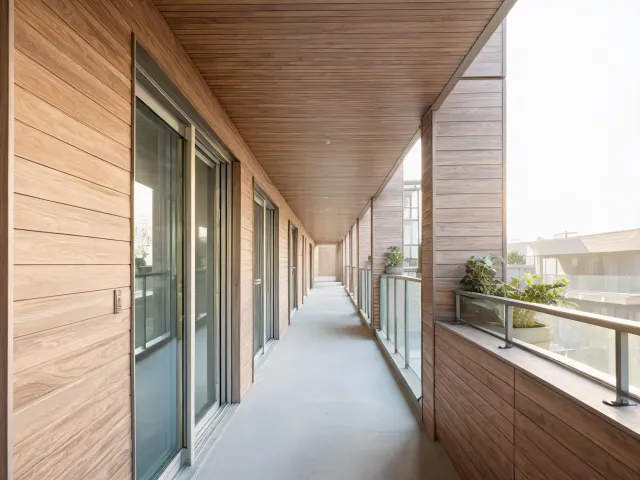
Cladding and soffit packages tuned for paint-cycle and coastal wind notes.
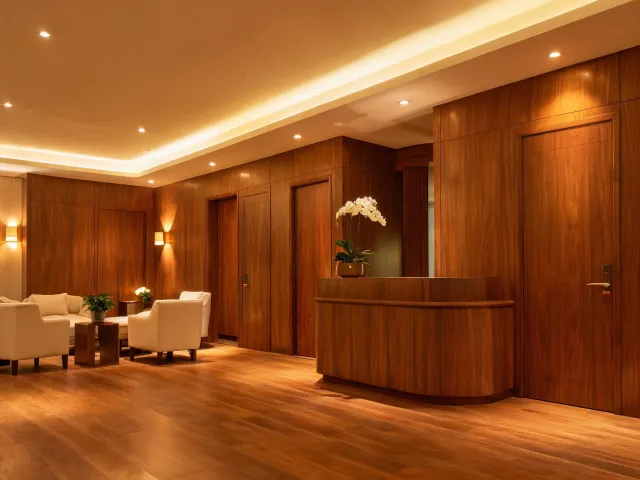
Wall paneling and guest doors with GREENGUARD Gold indoor-air paths.
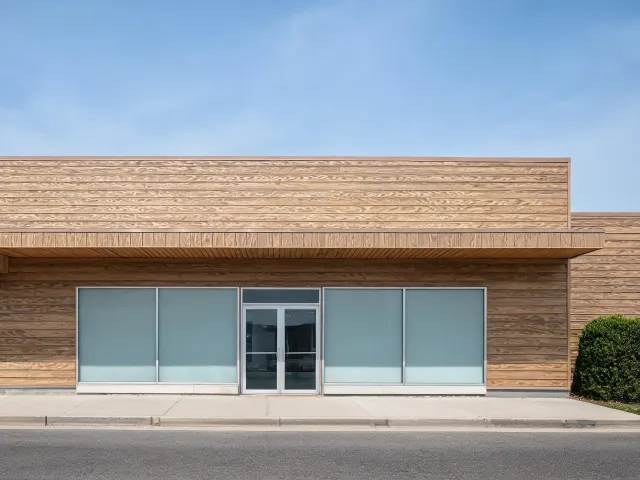
Metal woodgrain siding with crisp soffit shadow lines for street façades.
Why teams choose Woodgrain
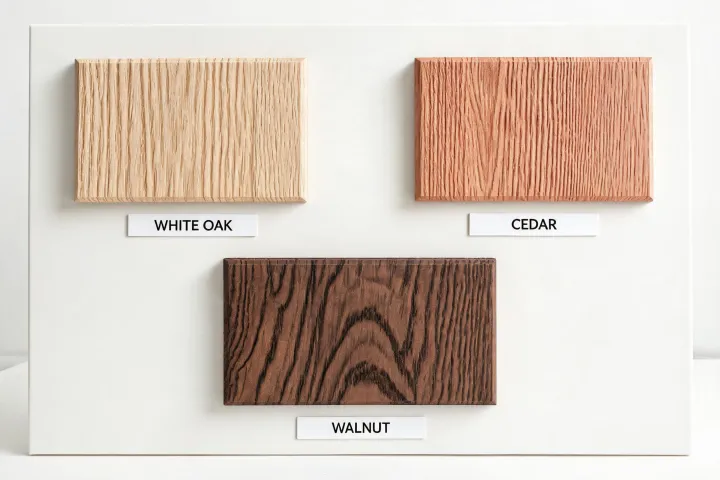
Precision-embossed surfaces reproduce grain, knots, and depth of common North American species on fiberglass woodgrain entry doors and interior door skins. In Fruitland studio touch checks, embossing depth typically tracks solid timber samples under matched lighting—while dye-lot control keeps openings consistent across a floor plate.
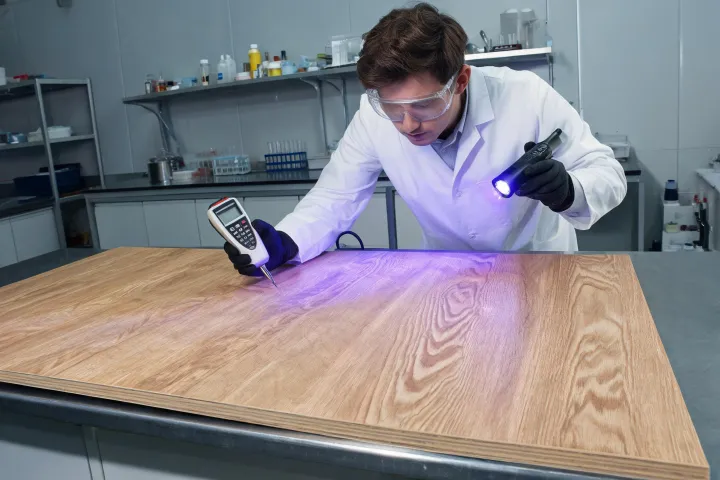
Woodgrain profiles are specified for moisture vapor transmission, dimensional stability, and UV stability that challenge solid timber on south and west elevations. Product sheets publish wear-layer thickness (commonly 12–20 mil on flooring-adjacent laminates), water absorption rate context for cladding, abrasion resistance notes, and—where indoor lines apply—VOC emissions pathways under GREENGUARD Gold so warranties stay credible after weather and occupancy exposure.
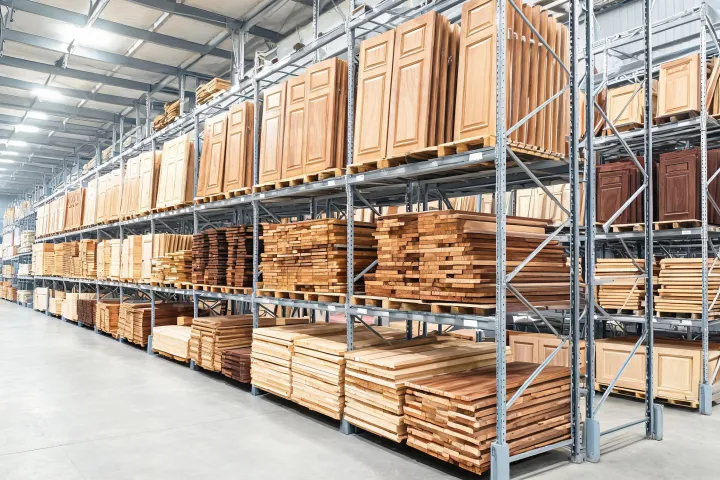
From white oak to weathered cedar, the 2024–2026 catalog spans 48 species profiles across doors, siding, trim, and millwork from four North American manufacturing sites. Builders weighing natural hardwood character against engineered consistency can compare boards side by side before locking schedules.
From the field
Friendly answers
Embossing depth and printed grain are tuned to common North American species. Touch and sight tests in our Fruitland studio typically pass for fiberglass doors and composite cladding when lighting matches the jobsite elevation.
Yes. Many packages pair oak-look entry doors with cedar-look cladding. We recommend reviewing undertones together under daylight because secondary accents shift perceived warmth.
Relevant lines carry GREENGUARD Gold, WDMA I.S.6A for door performance, ENERGY STAR partner pathways on select exterior assemblies, and FSC chain-of-custody where fiber content applies.
Solid timber wins on refinishing longevity; engineered woodgrain wins on moisture stability, batch consistency, and lifecycle cost on wet elevations. We frame both sides so you can document the natural-versus-engineered debate for clients.
Product data sheets list wear-layer thickness for flooring-adjacent laminates, UV fade guidance for exterior cladding, and warranty period language. Ask our desk for the SKU-specific PDF, then verify with free sample boards and an application-engineer consult before submittals freeze—photography alone is not a test method.
Most residential sample kits leave within two business days. Large multifamily packages may need staged shipments when 48 species profiles are requested at once.
Tell us about openings, elevations, and preferred species looks. We will help you shortlist Woodgrain doors, siding, and millwork with sample boards ready for the next client review.